Country corner: CARD-PC hosts first COPD Right Care Teach the Teacher in Beijing, China

IPCRG will be running monthly spotlights to alert our network to good practice in our member countries and showcase the work of people in our network. This month, we report on our first COPD Right Care Teach the Teacher, hosted in Beijing from 5-6 December by our Chinese group, CARD-PC.
Do you have a story from your member group you wish to share? Please projectsupport [at] ipcrg [dot] org (subject: Country%20corner%20submission) (contact us) with further information so that we can feature your work.
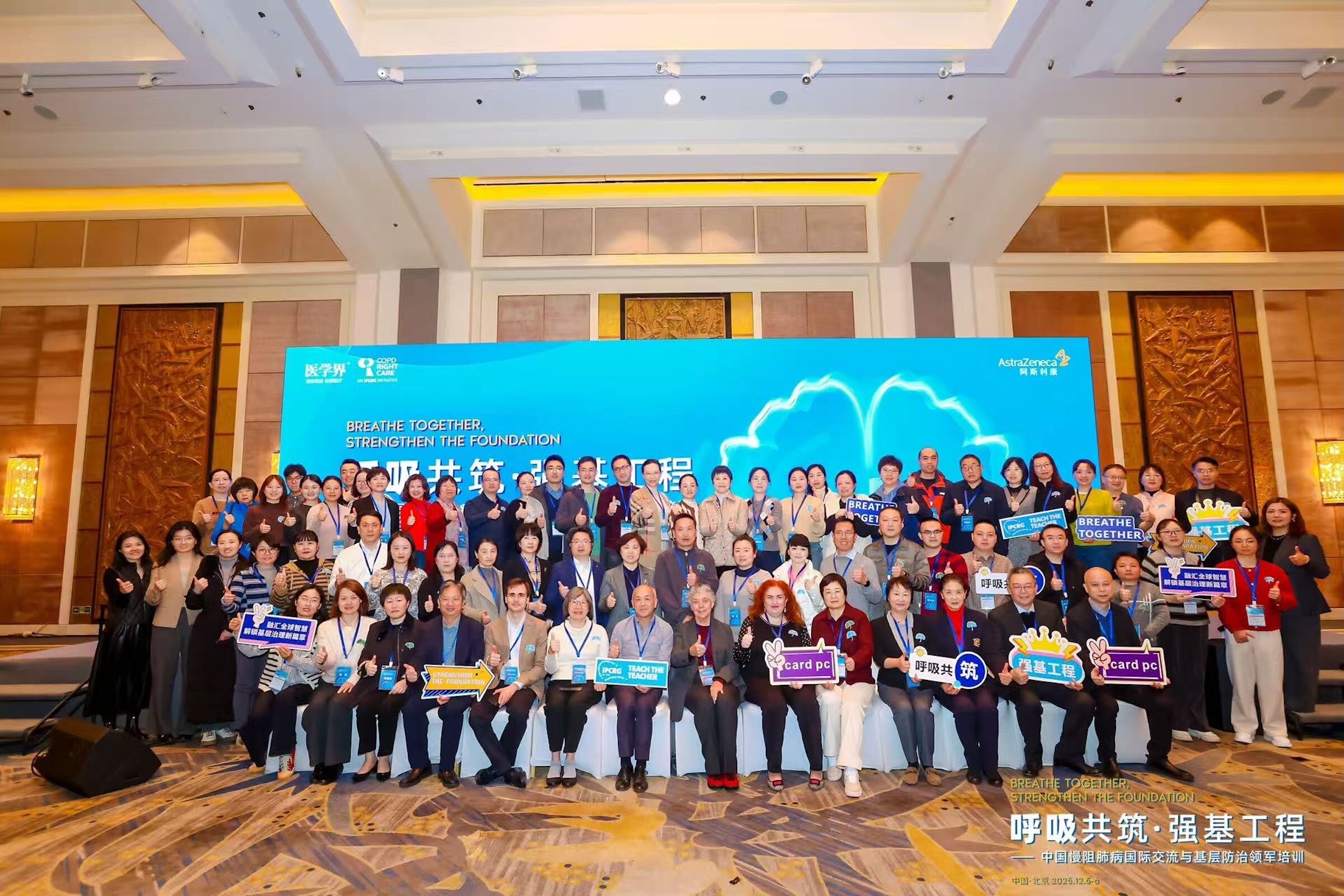
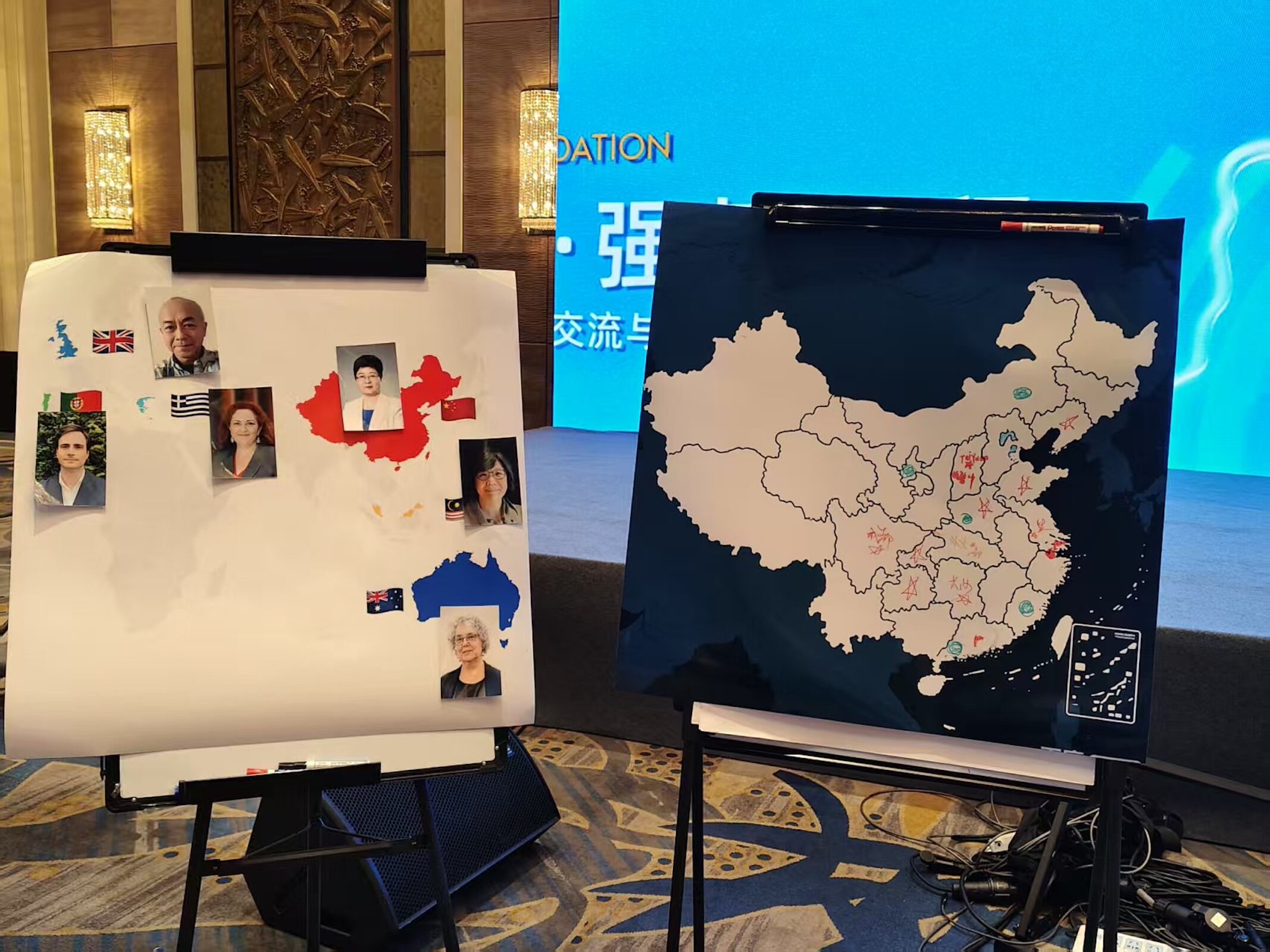
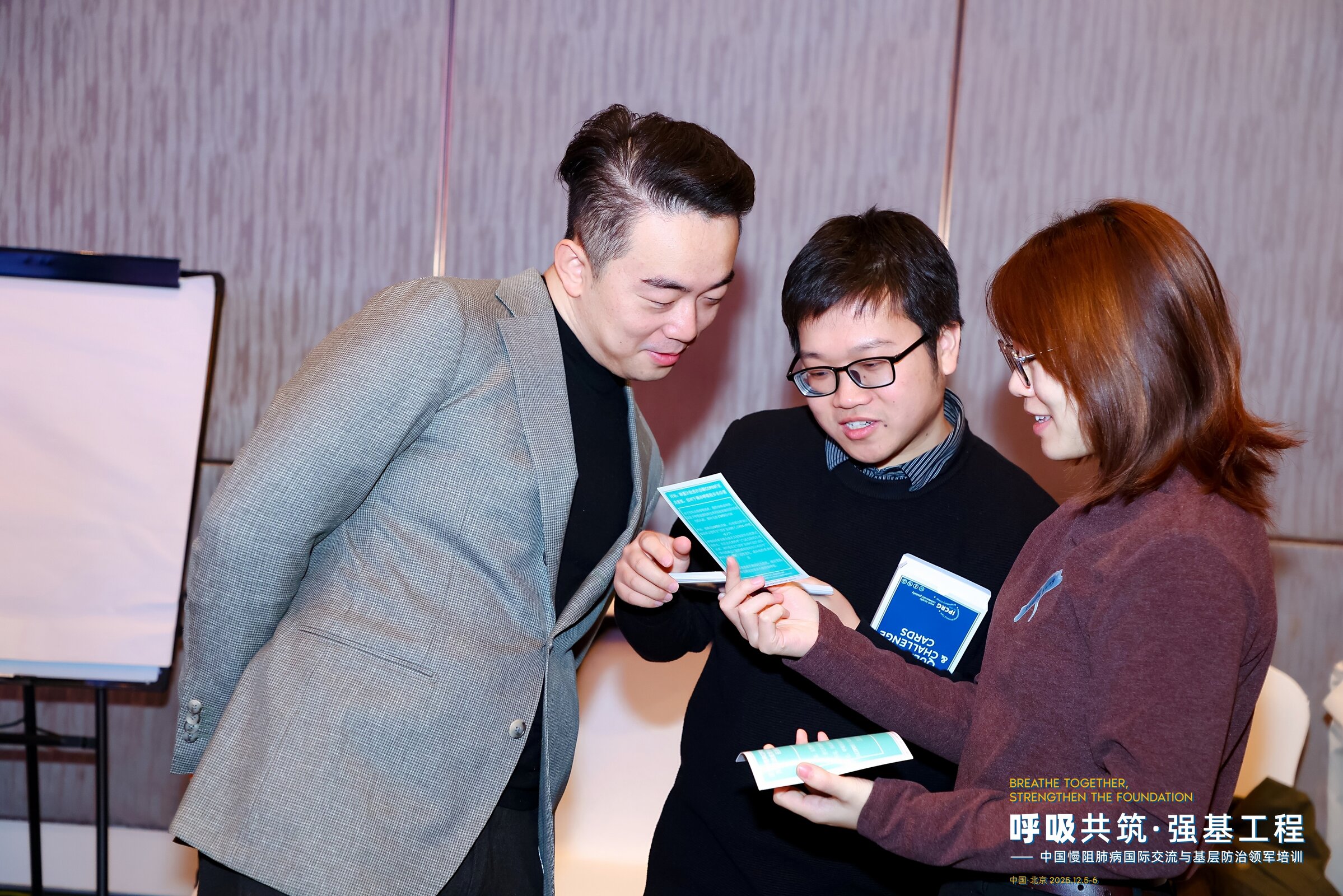
From 5-6 December, our Chinese group CARD-PC welcomed faculty and delegates to host IPCRG’s first Teach the Teacher on COPD Right Care. The two-day Tier 1 programme was designed to support the implementation of COPD management guidelines in primary care. The faculty supported Chinese family medicine teacher delegates to plan how to teach COPD management in primary care using IPCRG tools, clinical case studies and role-play. The intensive programme involved 57 master teachers from 11 provinces, 4 municipalities, 2 autonomous regions and 31 cities, and included smoking cessation, mental health and pharmacological and non-pharmacological management.
This capacity-building programme has significantly boosted the potential to scale up and spread COPD Right Care in China. China has an estimated 100 million people with COPD so it is clearly a priority for primary care strengthening to improve diagnosis and management. Moreover, we now have a range of COPD Right Care materials translated into Chinese (which we will share soon) and a Teach the Teacher curriculum on COPD, and we hope to spread both in the years ahead.
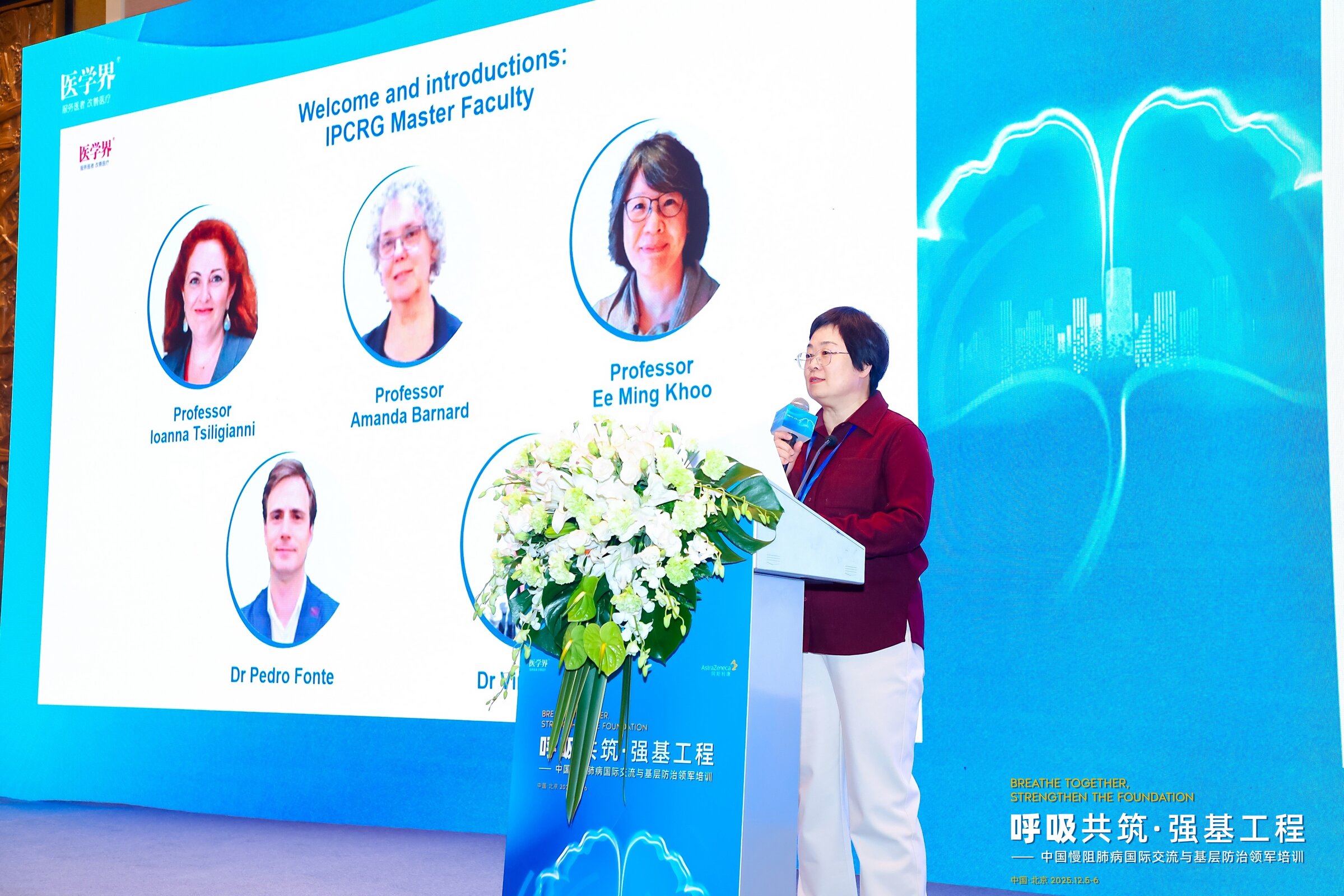
Addressing the delegates, Chunhua Chi (CARD-PC) said:
“Over these two days, experts from the International Primary Care Respiratory Group, representing five nations, have shared the podium with China's foremost scholars. Together, we explored international teaching methodologies alongside locally grounded evidence-based practice. Our curriculum spanned COPD identification and diagnosis, acute exacerbation risk management, non-pharmacological interventions, mental health support, and hands-on smoking cessation techniques. We transcended traditional one-way instruction through intensive group discussions, case-based teaching, and role-playing.
This enabled cutting-edge international concepts to deeply integrate with local experience through interaction, transforming them into clinically accessible and applicable skills for primary care. The teaching plans presented by each group embody this spirit of integration—clear objectives, scientifically designed, and innovative in methodology—demonstrating the commitment and thoughtful approach expected of ‘leading talents’.
Each topic resonated profoundly, from patient psychological care ‘from body to mind’ to referral decisions based on ‘timely handover’; from comprehensive management of patients with co-morbidities to interpreting the latest GOLD 2026 guidelines. This resonance stems from our shared mission as primary respiratory health gatekeepers and our collective pursuit of enhancing the quality of life for hundreds of millions of COPD patients.
Looking ahead, our delegate ‘pioneers’ will now take on three key tasks:
- Becoming transformers of knowledge, converting what they have learned and contemplated into standardised processes that are implementable and actionable at the grassroots level
- Becoming disseminators of concepts, serving as ‘dandelions’ within their respective provinces and municipalities to spread advanced prevention and treatment models far and wide
- Becoming innovators in practice, exploring new pathways for comprehensive COPD management with Chinese characteristics by adapting to local realities.”
We would like to thank CARD-PC, especially Chunhua Chi and Zihan Pan, as well as our international master faculty - Ioanna Tsiligianni (Greece), Amanda Barnard (Australia), Ee Ming Khoo (Malaysia), Pedro Fonte (Portugal) and Vincent Mak (UK) - who developed and delivered the programme in collaboration with CARD-PC. The meeting was supported by AstraZeneca and AstraZeneca China.